
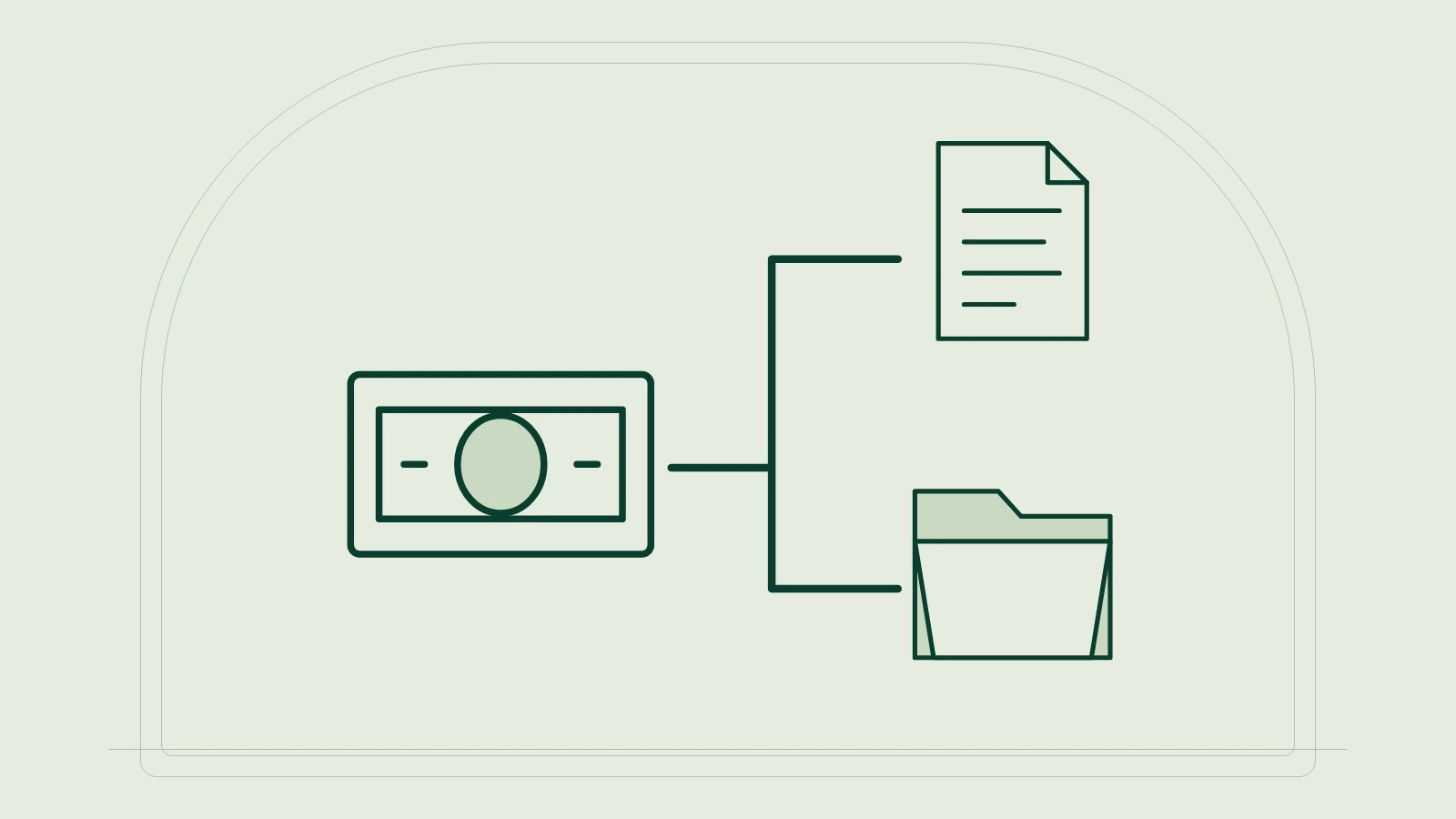
When a debt goes unpaid, the first practical question is not "how do I sue?" but "do I need a lawsuit at all?". The core idea behind debt recovery in Saudi Arabia: do not start with a lawsuit if you hold an executive instrument — start with an execution request on Najiz. A financial claim lawsuit is usually for cases with no direct executive instrument: an invoice, an account statement, chat messages, or an agreement never documented in enforceable form. This page explains when each route applies, as part of the Enforcement and Debt materials on Hala Law.
The two routes: lawsuit or direct enforcement?
Under the Enforcement Law, executive instruments include commercial papers such as cheques and promissory notes, court judgments and decisions, and certain notarized contracts and documents. Direct enforcement of these instruments is a long-established rule of the Saudi enforcement system.
| What you hold | The usual route |
|---|---|
| Cheque, promissory note via Nafith, court judgment, notarized enforceable contract, enforceable electronic lease | Execution request on Najiz |
| Invoice, account statement, bank transfers, WhatsApp or email correspondence, undocumented agreement, verbal commitment supported by circumstantial evidence | Financial claim lawsuit via a statement of claim |
A creditor holding a promissory note documented via Nafith, for instance, does not in principle need a lawsuit; a creditor holding only invoices and correspondence first needs a judgment establishing the debt.
Before suing: the financial claim notice
Before filing, the creditor can send a financial claim notice through Najiz to document the demand and give the debtor a chance to pay. The service sits under Najiz's judicial-notification services. It is optional, but it evidences the seriousness of the claim, may settle the matter amicably before any court step, and joins the document file if a lawsuit follows.
Filing the lawsuit on Najiz
The lawsuit is filed through the statement of claim service on Najiz:
| Step | Detail |
|---|---|
| 1 | Sign in to Najiz via National Single Sign-On |
| 2 | Choose e-services, then the litigation package |
| 3 | Open the statement-of-claim service |
| 4 | Enter the claim classification, party details, requests, and documents |
| 5 | Submit and track the request |
Document checklist
A financial claim file is built on documents before anything else:
- The contract, purchase order, or invoice.
- The account statement or payment schedule.
- Bank transfers or receipts.
- Correspondence showing acknowledgment or a promise to pay.
- The financial claim notice, if sent.
- The debtor's details: name, ID or commercial registration, address, mobile, email.
Complete debtor details are not a formality; a mismatched name or ID number is a common practical cause of delays later — in the lawsuit and in enforcement after judgment.
After judgment: from lawsuit to enforcement
If the lawsuit ends with a judgment for the creditor and the judgment becomes enforceable, the file moves onto the second track itself: the judgment is an executive instrument, and an execution request on Najiz follows for collection. If instead an execution request has been filed against you and you believe you have grounds to contest it, see objecting to an execution order.
Legal transition status
A new Enforcement Law was approved by Council of Ministers Resolution No. 746 of 26/10/1447H. Article 65 provides that it comes into force 180 days after its publication in the official gazette, and Article 7 makes bills of exchange and promissory notes enforceable instruments only where they are registered on the national electronic platforms, with the implementing regulations to set the conditions and controls for that registration. This page is based on the current law and will be reviewed when the new law takes effect and its implementing regulations are issued.
When do you need a licensed lawyer?
The information here is a general framework for choosing the route, not an assessment of any specific case. The matter becomes a private case calling for a licensed lawyer or accredited advisor when:
- The evidence of the debt is circumstantial and correspondence-based, requiring judgment on its weight and presentation.
- The parties dispute the existence of the debt or the authenticity of documents, not merely late payment.
- The claim is entangled in an ongoing commercial relationship — mutual payments, set-off, unfinished work.
- The file sits between two routes: does what you hold qualify as an executive instrument, or is a judgment needed first?
In these situations, each party's position depends on the evidence presented and how the claim is framed — matters of assessment that differ from one file to another.
 Promissory Notes via Nafith: Creation and Enforcement
 Filing an Execution Request on Najiz
 Bounced Cheque: Direct Enforcement and the Criminal Track